New to Halloween and not sure what it’s all about? Or worried your crafting skills aren’t up to costumes and jack-o-lanterns? Fear not — we’re here to help!
So what’s this Halloween thing about, anyway?
You’d be forgiven for thinking it’s an American festival, because modern Halloween has an undeniably American tone, but it actually dates back to European folklore and traditions.
Halloween goes back to the Celtic festival of Samhain and other pre-Christian harvest festivals that marked the transition from autumn to winter. As the days grew shorter and colder, it was thought to be a time when the dead could visit the world of the living. In Christian times it evolved into All Hallows Day on 1st November (and thus All Hallows Eve, or Hallowe’en, on 31st October), as well as All Souls Day on 2nd November, which were observed across Europe to honour the spirits of ancestors and saints. Those celebrations included costumes, bonfires and parades.
The tradition of trick or treat goes back to Scottish guising, with costumed children going door to door collecting sweets or coins; souling, when people would collect special All Hallows “soul cakes” in exchange for prayers; and mumming, where costumed actors would perform as they wandered. Jack-o-lanterns began as Irish turnips before they turned into North American gourds.
Today Halloween isn’t much about honouring ancestors (but Mexico’s Dia de los Muertos celebration is an amazing version of that) or warding off actual evil spirits. Now we tend to celebrate with spooky decorations and horror themes as a way to confront darkness — the literal darkness of shorter days and the coming winter, and the symbolic darkness of our own fears — for the same reason people enjoy the fear of watching scary films.
So what do I DO for Halloween?
Halloween is all about dressing up in costumes (not necessarily scary ones) for both kids and adults. While adults mostly dress up for parties, kids wear costumes for trick or treating — going door to door and collecting sweets from neighbours. (There’s not much tricking involved in trick or treat these days.) The other big traditions are carving jack-o-lanterns and decorating with spooky stuff. It’s also traditional to watch scary films, listen to spooky music and enjoy Halloween-themed food and drinks.
Costumes
What costumes are best for Halloween? Some people wouldn’t be caught dead in anything other than horror-themed outfits, but really anything goes. Superheroes, princesses, film characters, pop stars, bad puns, athletes … basically anything you can imagine. It’s good to know your audience, though: A risque costume might be fun at a pub party, but raunchy and gory get-ups might not be best for handing out sweets to trick-or-treaters.
Halloween’s an excuse to get creative but it doesn’t mean you have to sew elaborate, stage-worthy creations. Some of the best costumes can be assembled from what’s already in your wardrobe. Some classic looks just require minor accessories. Wear slightly dated clothes and some plastic fangs and you’re a vampire (add some glitter and you’re a Twilight vampire). Draw a lightning-bolt scar on your forehead, add some round glasses and wave a stick like a wand and you’re Harry Potter. Charity shops are gold mines for costume supplies — and an amazing find might inspire your whole costume!
Need some more inspiration?
- 40 Easy DIY Costumes for Adults
- 65 Last-Minute Halloween Costume Ideas
- Last-minute Halloween costume ideas: the easy men’s Halloween costumes to try
- 13 cheap and easy Halloween costumes
- 98 Easy DIY Halloween Costumes for Kids of All Ages
- 8 celeb-inspired easy Halloween costumes that are SO simple to re-create
- 25 Easy Halloween Costumes
Jack-o-lanterns
While the original carved veg lanterns were turnips, we’d recommend sticking to pumpkins for your Halloween decor. (We’ve tried turnips: It’s hard work and that turnip smell really lingers!) So which pumpkin to pick?
First, you should know there are two different types of pumpkins: the ones that are designed to be delicious (they’re smaller, browner and found in the vegetable section of the supermarket) and the ones that are bred to be pretty — the classic big orange pumpkin that trick-or-treat buckets are modelled after. You can carve the ones that are intended to be eaten, but don’t try eating a carving pumpkin. They’re watery, fibrous and have very little flavour.
Bigger supermarkets are likely to have perfectly nice pumpkins for carving, but if you’ve got the means to get to a pick-your-own farm, it’s a fun day out choosing just the right gourd out of a field of contenders.
These PYO farms aren’t too far from SW17, but you may need to book in advance this year:
- Garson’s in Esher
- Crockford Bridge Farm in Weybridge
- Tulley’s Farm in Crawley
- Secretts in Milford
- Four Winds Farm in Tunbridge Wells
- Priory Farm in Redhill
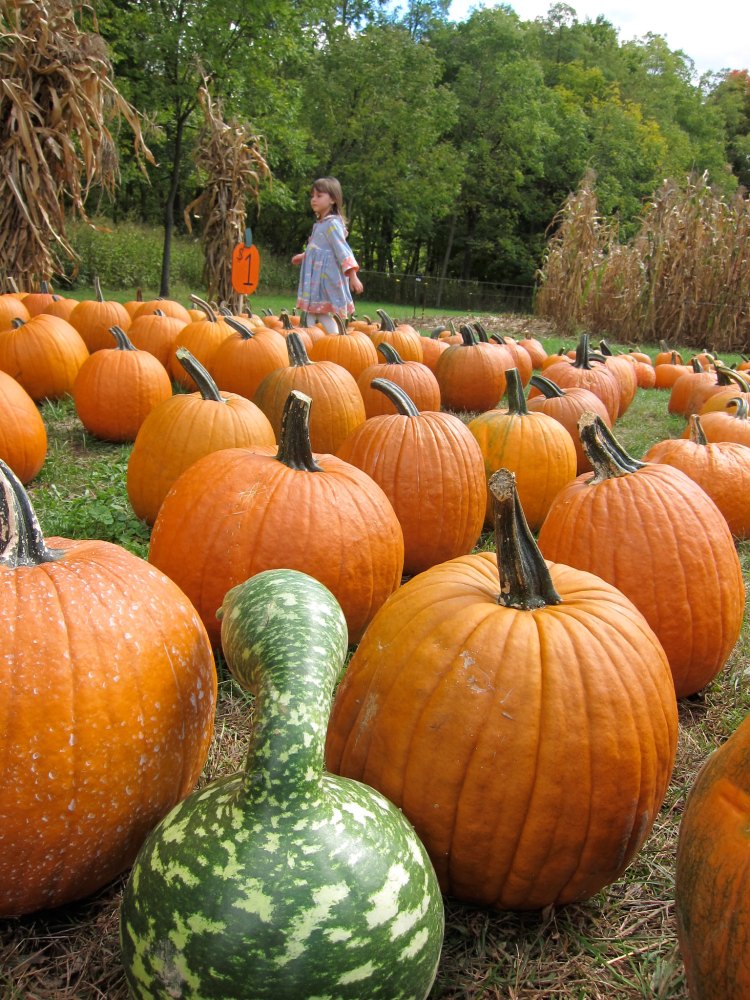
Once you’ve picked your pumpkin, what’s next? First, get your supplies ready. Here’s where it gets messy…
What you’ll need:
- the pumpkin (or turnip!)
- a sharp kitchen knife
- a sturdy metal spoon
- a big bowl to collect the messy bits
- a few layers of newspaper or a plastic sheet, bin bag or recycling bag
We won’t give you step-by-step instructions on the actual carving — there are some great tutorials on YouTube that can show you what to do — but we have a few tips to offer from our years of jack-o-lantern experience:
- A sharp kitchen knife works better than the tools in those little pumpkin-carving kits, especially for cutting the lid and larger lines.
- The tiny saws in those kits are good for very detailed areas, but they take a while.
- A super-sharp craft knife/scalpel is also great for details — and can be used to scrape off just the top layer of pumpkin skin for interesting effects.
- Draw your design first in washable marker or crayon. If you’re carving with little kids, they can draw the design and then an adult can cut it out.
- Save the seeds to roast and eat!

 Furzedown Frights